
There’s more than one way to read a book

For a long time, readers asked each other: What are you reading?
Now there’s another one: How are you reading it?
We have more ways to read than ever before, which also means more ways to fit books into our lives. And yet we still have a tendency to talk about them as choices we have to make. Print or digital. Reading or listening. As if picking up an e-reader means turning in your library card and clearing off the bookshelves.
But why choose?
I read mostly ebooks these days. I also have no interest in living in a house without books.
These two things make perfect sense to me.
I like my books instantly. And on shelves.
My reasons for reading ebooks are almost embarrassingly practical. I’m impatient. If I hear about a book that sounds good, I want to sample it immediately. And if the sample hooks me, waiting until tomorrow suddenly seems unreasonable when I could be reading it 30 seconds from now.
I like having multiple books with me without actually having to carry multiple books with me. I like adjusting the size of the type (IYKYK). I like reading in bed without a lamp on. And I especially like being able to abandon a sample after 15 pages with absolutely nothing invested except those 15 pages.
But none of that has diminished my affection for physical books.
I still love bookstores. I still want to own certain books after I’ve read them. I want old favorites around. I want books I haven’t read yet sitting there reminding me that I might.
And I want to see books in my home. There’s something about living with books that goes beyond storing them. A stack on the nightstand or a shelf next to a comfortable chair helps create an environment where reading is part of everyday life. The books themselves are little visual invitations to pick one up and stay awhile.
We talk a lot around here about making room for reading, and sometimes that means literally making room for good old-fashioned books.
The print-digital mix-and-match approach is becoming increasingly common. Research from Cambridge University Press found that Gen Z print reading increased substantially between 2022 and 2025—even as ebook and audiobook reading increased, too.
Sometimes the book has to fit the moment.
There are books I want to hold. There are books I want immediately. And there are books I might only get to because I can listen while I’m doing something else.
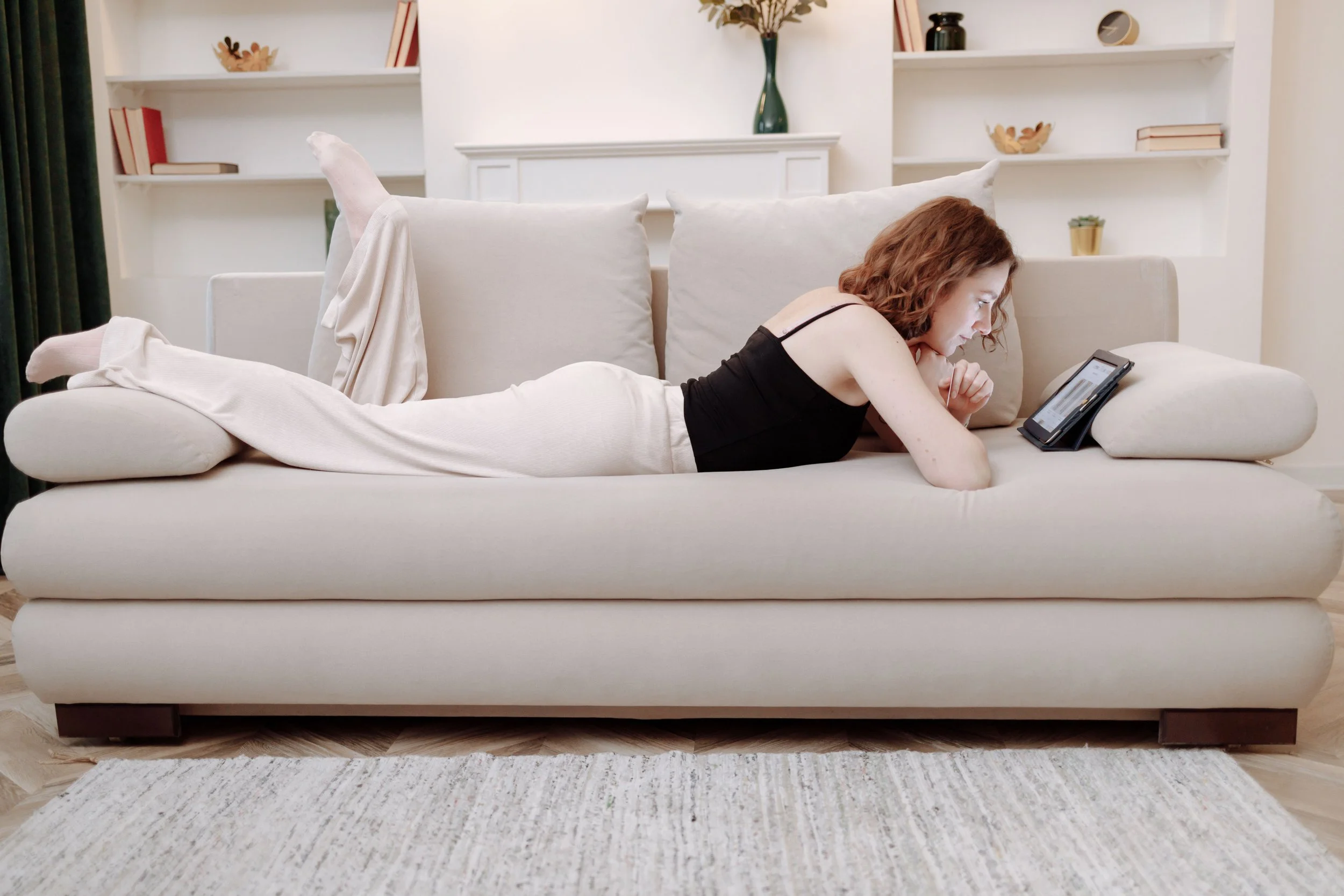
That’s the particular magic of audiobooks. They find time that doesn’t look like reading time.
Driving. Walking. Folding laundry. Cooking dinner. Suddenly a part of the day that couldn't accommodate a physical book can accommodate a story.
And yes, people still debate whether audiobooks count as reading. There’s no reason to get judge-y about it.
If you spent ten hours inside a story, met its characters, followed its plot, and thought about it afterward, the book made it into your life. Mission accomplished.
You don't even have to experience the whole book the same way. Listen in the car and then pick up the ebook at night. Start with a library copy, realize halfway through that this is a keeper, and buy the hardcover. Sample digitally and decide this particular book is one you want to hold.
And we’re still coming up with new ways to read.
Bookcast caught my attention recently because it lets you project an ebook onto a wall or ceiling and read it there. I have no idea whether projected reading is destined to become a thing or whether it will remain something delightfully weird that some people love.
But reading a novel projected onto the ceiling while tucked into bed? I can see the appeal.
There’s something very Read & Nest about the whole idea, actually. We focus on how to create spaces that make us want to read—a comfortable chair, the right light, books within reach. Projected reading flips that around a little. Instead of arranging yourself around the book, you can arrange the book around you.
And that’s not the only new development.
Google is beginning to experiment with ebooks that readers can interact with through AI—asking questions about the book and exploring ideas within it. Where that leads, or whether it becomes part of the way most of us read, who knows? But the possibility of a book becoming something we can interact with is intriguing.
Mostly, all of this makes me wonder what we'll consider perfectly normal reading 10 years from now.
The best part? All the choices.
I don't have to be an ebook person just because that's where I do most of my reading. Someone who listens to three audiobooks a month doesn't have to become an audiobook person. And loving physical books doesn't require swearing allegiance to paper forever.
We can be all of the above.
Read the hardcover on Sunday afternoon. Download something new at 10:47 Tuesday night because you have to know what happens. Listen to a novel on the drive to work. Borrow the ebook from the library. Buy the physical copy afterward because you loved it and want it on your shelf. Maybe even project one onto the ceiling.
Keep the books you love around because they mean something to you—and because a house full of books feels like a place where reading happens.
We just have more ways in. And when real life is already pretty good at getting between us and the books we want to read, more ways in sounds pretty good to me.
Looking for more ways to make reading part of everyday life? Try How to Make Room for Reading in Real Life or How to Bring Books Into Every Room of Your Home next.