

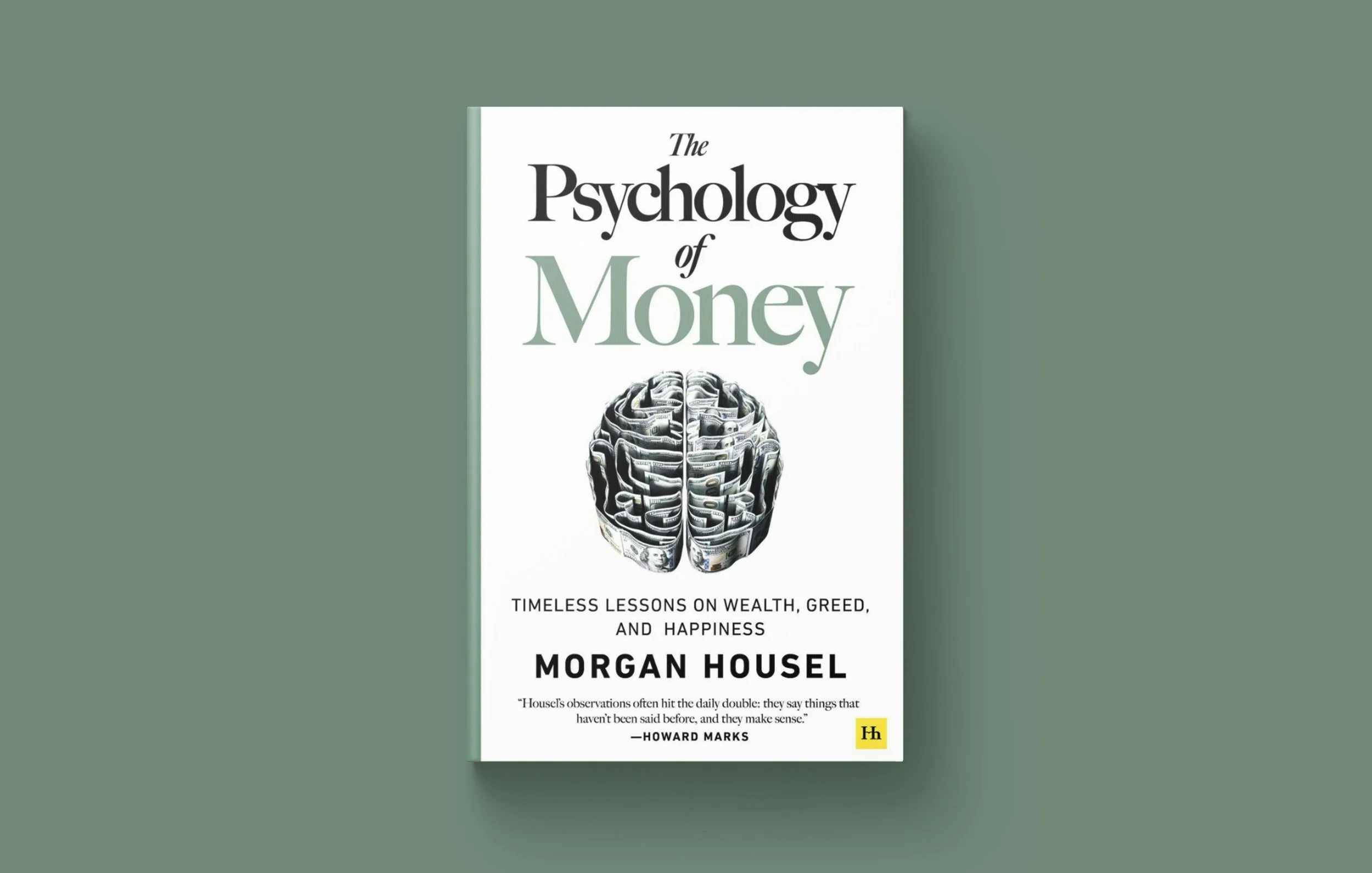
If you've read The Psychology of Money by Morgan Housel, you already know it's not your typical finance book. There's no spreadsheet homework, no debt-payoff chart, no 12-step system. It's a book about behavior — about the quiet, unglamorous habits and mindsets that actually build financial security over time.
That's exactly what makes it such a good starting point if budgeting has ever felt overwhelming, or if "personal finance" has always sounded like a subject for someone else. These five lessons don't require a new app, a new budget, or a total lifestyle overhaul. They're simple enough to start today — and they might just change the way saving, spending, and "enough" feel from here on out.
1. Saving doesn't need a reason
One of the book's quieter but most freeing ideas: saving money doesn't have to be tied to a specific goal to count. Housel makes the case that saving for flexibility — for the freedom to make choices later, not for a defined purchase now — is one of the most valuable things money can buy.
If saving has ever felt pointless without a clear "for what," this is worth sitting with. A savings account doesn't need a label. Its value is in the options it creates, not the plan attached to it — a little like keeping a book on the shelf without needing to justify why. It's simply there, ready, when the moment calls for it.
Try today: Open a simple savings account (or set aside a small amount in an existing one) with no goal attached. Let it just be a cushion, not a project.
2. Wealth is what you don’t see
It's easy to associate wealth with what's visible — a new couch, an updated wardrobe, a nicer car. Housel flips that idea: true financial security is invisible. It's the money that wasn't spent, sitting quietly in savings or investments, compounding in the background.
This lesson lands especially well for anyone building a cozy, intentional home on a budget. A beautifully curated space doesn't require matching the spending habits of everyone around you — and the money not spent on keeping up appearances is often the most valuable purchase of all.
Try today: Before a non-essential purchase this week, pause and ask whether it's for genuine enjoyment or for how it looks to someone else.
3. "Enough" is personal
A recurring theme in the book is the danger of comparison — measuring financial goals against someone else's lifestyle, income, or spending. Housel argues that "enough" isn't a fixed number. It's personal, and it shifts depending on what actually matters to the person defining it.
This is a helpful reframe for anyone budgeting around a hobby, a reading habit, or a cozy-home aesthetic that doesn't always feel "practical" by outside standards. What's enough for one household will look completely different from another — and that's not a problem to solve.
Try today: Write down one thing worth spending on that brings genuine joy, even if it wouldn't make sense to someone else's budget.
4. Room for error beats being right
Rather than chasing the "optimal" financial move, Housel makes a case for building in margin — leaving room for things to go wrong without falling apart. A financial plan doesn't need to be perfect. It needs buffer.
This takes the pressure off needing to have it all figured out. A budget with a little breathing room is more sustainable — and more realistic — than one built for a best-case scenario that rarely happens.
Try today: Look at one part of the budget that feels tightly stretched and see if there's a small way to add a little breathing room.
5. Small, consistent choices compound
The book's central thread ties everything together: consistency beats intensity. Small financial choices, repeated over time, tend to outperform occasional big moves or perfectly timed decisions. It's not about getting everything right — it's about showing up regularly.
There's a nice parallel here for readers, too. A few pages a night adds up to a finished book faster than an occasional weekend binge. The same quiet consistency that builds a solid reading habit builds financial security — no drama required, just repetition.
Try today: Pick one small money habit — rounding up savings, skipping one impulse buy, moving a set amount automatically — and commit to it for a week before deciding whether to keep going.
The takeaway?
None of these lessons require a financial degree or a total lifestyle overhaul. They're mindset shifts — the kind that make budgeting feel less like restriction and more like intention. That's really what The Psychology of Money is about. Money as behavior, not math.
If this kind of financial thinking resonates, it's worth adding to your reading list. There are plenty of others that dig into money the same way — as a mindset, not an overwhelming chore — take a look at our list of money books that will change the way you spend.